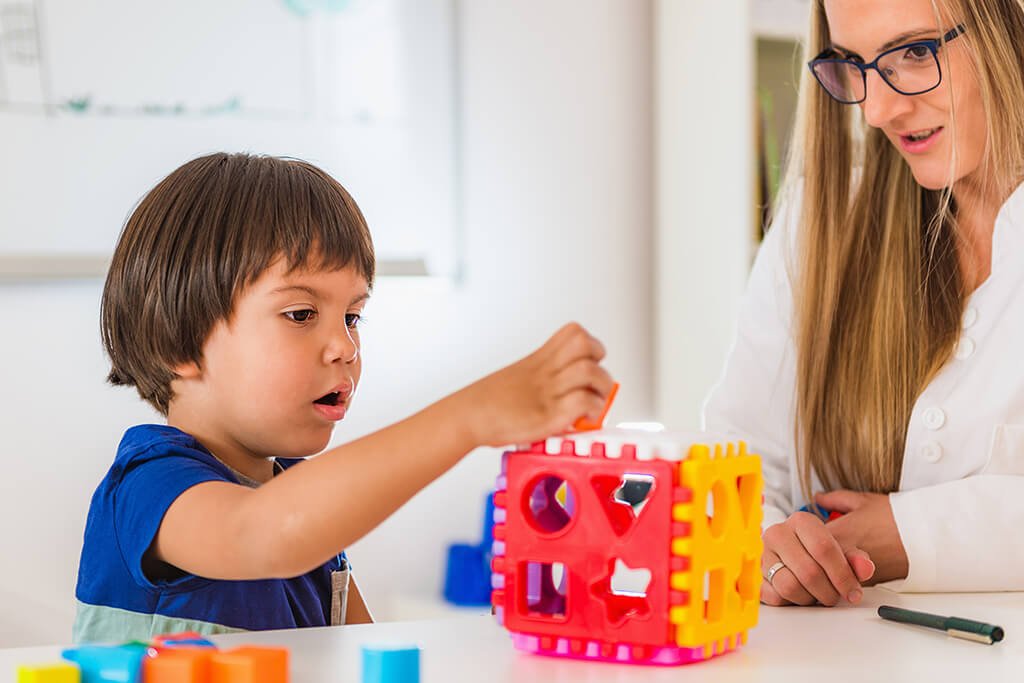
Everyday activities such as dressing, handwriting, using classroom materials, and completing simple self-care tasks had become increasingly challenging. These difficulties affected confidence both at school and at home, often leading to frustration when tasks required additional assistance.
The family sought occupational therapy to help strengthen fine motor development, improve coordination, and encourage greater independence in everyday routines. The program focused on building practical life skills that could be used consistently across home, school, and community environments.
Therapy Goals
The therapy program focused on developing practical skills that encourage greater independence in daily life.
The primary goals included:
- Improve fine motor coordination
- Strengthen hand and finger control
- Increase independence during self-care activities
- Improve handwriting and classroom participation
- Support sensory processing and regulation
- Build confidence through everyday achievements
Personalized Care Plan
Following a detailed occupational therapy assessment, an individualized intervention plan was developed based on the child’s developmental strengths and daily challenges.
Each therapy session included hands-on activities that encouraged coordination, balance, sensory integration, and problem-solving. Practical exercises were designed to improve self-care routines while making learning enjoyable and motivating. Parents also received guidance on simple home activities to reinforce therapy goals between sessions.
Progress was reviewed regularly, allowing therapy strategies to evolve as new milestones were achieved.
Family Reflection
“The biggest difference has been seeing everyday tasks become opportunities for success instead of frustration. Simple routines that once required constant assistance are now completed with growing confidence and independence. The practical activities introduced during therapy have made a lasting impact on our family’s daily life.”
Therapy Techniques Used
The program included a variety of engaging therapeutic approaches, including:
- Occupational Therapy Assessment
- Fine Motor Skill Development
- Hand Strength & Coordination Activities
- Sensory Integration Techniques
- Handwriting Improvement Exercises
- Self-Care Skill Training
- Balance & Coordination Activities
- Parent Coaching & Home Programs
- Functional Daily Living Practice
Progress & Results
Steady improvements became noticeable as daily activities gradually required less assistance. Tasks such as holding pencils correctly, fastening clothing, organizing school materials, and participating in classroom activities became more manageable and enjoyable.
Confidence continued to grow as each milestone was achieved, leading to greater independence at home and increased participation in school. Families also reported smoother morning routines and reduced frustration during everyday activities.
Key Outcomes
- Improved fine motor coordination
- Better handwriting and pencil control
- Increased independence with daily routines
- Stronger sensory regulation
- Greater participation in classroom activities
- Improved confidence during self-care tasks
- Better organization and planning skills
- Increased overall independence